Pest Control: Practical Methods to Preserve Your Property and Firm
Pest Control: Efficient Plans to Shield Your Living space and Company
Opening to Pest Control
Pest Control encompasses the control or direction of organisms considered as pests – living things that adversely affect human actions or vicinities. In New Jersey, a place where diverse biological communities join metropolitan and urban progress, productive Pest Control is not solely a nonessential but a necessity for maintaining sanitary residential and business settings. From the widespread communities of Monmouth County to the tight-knit residential areas of Matawan, pest outbreaks can trouble each person, irrespective of how immaculate or carefully tended their house may be.
The relevance of using efficient Pest Control tactics can't be overstated. For homeowners, pests can damage foundational integrity, taint food reserves, and introduce noteworthy health dangers. Commercial entities meet these same difficulties, with the extra concern of check here image injury and prospective deprivation of clients if occurrences are uncovered. Frequent pests in New Jersey incorporate rodents like rats and mice, various insects such as ants, cockroaches, and bed bugs, and the exceptionally harmful termites that can quietly weaken a building's underpinning.
The Purpose Pest Control Is Important
Health Dangers of Pest Control Treatments
Many pests carry and convey disorders that can trouble individuals and pets. Rodents are known transporters of hantavirus, salmonella, and leptospirosis. Cockroaches can provoke asthma episodes and hypersensitive effects, chiefly in little ones. Ticks, abundant in New Jersey's forested spots, are distinguished for distributing Lyme disease, while mosquitoes can pass on West Nile virus and Eastern Equine Encephalitis. Expert Pest Control enables mitigate these health risks by eradicating the cause of these conceivable disease carriers.
Structure Impairment in Pest Control
The skeletal deterioration induced by pests can be considerable and expensive. Termites by themselves create over $5 billion in home harm annually across the United States, with New Jersey homes being specifically vulnerable due to the state's atmosphere. Small mammals can bite through electronic wiring, creating fire hazards, while their incessant biting can harm insulation, pipes, and timber basic components. Even seemingly inoffensive ants can impair timber structures if neglected unmanaged, especially carpenter ants which are usual in Monmouth County.
Pecuniary Effects of Pest Control Services
Disregarding pest outbreaks can trigger considerable fiscal effects. What might start as a minor invasion calling for simple handling can promptly amplify into a serious trouble needing extensive correction. For organizations, chiefly those in the food business or accommodation trades, pest outbreaks can generate failed health assessments, brief cessations, and long-term damage to name and consumer faith. Investing in standard Pest Control is not solely about instantaneous contentment—it's a continuing pecuniary defense.
Pest Control: Frequent Domestic and Company Pests
Vermin (Rats and Mice)
When it pertains to discovering rodent problems in your New Jersey home, carefulness is key. You could observe dung near food reserves, in cabinets, or beneath sinks. Nibble marks on food covering, wood, and power cords are revealing marks of their being. At night, you may detect scraping rackets in barriers, top boundaries, or below floors as these night-active creatures turn vigorous. If you locate lairs created from ripped documents, fabric, or arid plant stuff, that's a distinct symptom rodents have made themselves home. Fatty rub marks across baseboards and surfaces emerge as rodents employ the equivalent paths regularly, while your pets may present atypical behavior such as barking or pawing at locations under devices or pieces where rodents hide.
Rats and mice in New Jersey homes and companies constitute many menaces exceeding simple irritation. They can corrupt food and production areas with bacteria residing in their liquid waste and waste. Their constant desire to gnaw can impair assets, particularly cables, which produces fire dangers. In Matawan and encircling locations, the Norway rat and house mouse are specifically difficult, prospering in both built-up and peripheral environments. Successful Pest Control steps are crucial to control these harmful infiltrators.
Arthropods (Ants, Cockroaches, Bed Bugs)
Arthropod incursions exhibit themselves in diverse ways based on the type. Ant complications turn evident when you witness visible ant tracks directing to food supplies, or when you find diminutive heaps of earth or wood splinters made by carpenter ants. Cockroach invasions often exhibit themselves through dark dung looking like coffee grounds or black pepper, a particular fusty smell that pervades contaminated places, and the occurrence of egg cases in secret corners. Bed bug issues show up as rust-colored spots on mattresses and belongings, shed skins near reposing places, minute blood spots on sheets, and uncomfortable red elevations on skin normally positioned in a series or gathering.
Arthropods constitute the most diverse variety of pests in New Jersey. Cockroaches can initiate asthma and intolerances while dispersing several infectious agents. Bed bugs, while not disease transmitters, bring about notable pain, sleep interruption, and emotional trouble. Special ant species, like carpenter ants usual in Monmouth County's forested regions, can create constructional harm analogous to termites throughout time. Qualified Pest Control providers can distinguish precise insect types and implement directed intervention tactics that manage the particular behaviors and susceptibilities of each pest.
Termites
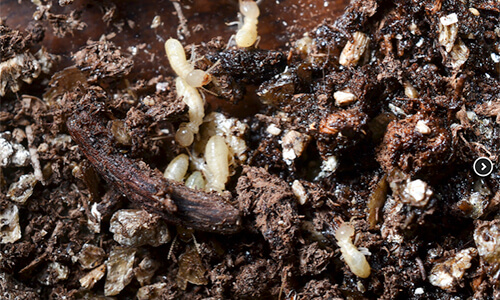
Recognizing termite action soon requires knowing the faint signs of their occurrence. You possibly notice rejected wings near windows and entries after swarmers have found a mate and established a new group. Mud tubes on outdoor barriers, wood beams, or in crawl cavities act as guarded highways for these detrimental critters. Wood that sounds vacant when rapped demonstrates termites have been gorging from within. Entrances and casements that quickly stick may signal bending from termite destruction, while cracked or blistering paint comparable to water harm often covers termite activity underneath. Spotting frass—termite pellets similar to minute wood-colored pellets—delivers another evidence of their unwelcome presence.
Termites create perhaps the most significant constructional danger across all standard pests. In New Jersey, the Eastern subterranean termite is common and specifically devastating. These critters can continue unsensed for eras while inflicting considerable damage to lumber framework pieces. Homes in Matawan and throughout Monmouth County, notably older properties, are susceptible to termite incursions. The usual expenditure of term pest control.
Pest Control Safety Aspects
Safe Utilization of Pesticides and Substances in Pest Control
While pesticides become necessary in your pest control method, prioritizing safety needs attention to various vital approaches that defend individuals, companions, and the environment. Always study and observe product directions exactly, as these legal guidelines demonstrate extensive testing and official assessment designed to limit hazards. Employ the smallest effective volume of product to reach management while decreasing unnecessary chemical incorporation into your living environment. Apply chemicals only in locations specified on the product instructions, avoiding unauthorized applications that may cause unexpected dangers or lower performance. Wear appropriate protective apparatus as indicated by chemical manufacturers to prevent direct contact during application. Store products in their factory containers with labels preserved to preserve access to security data and eliminate mix-ups. Keep thorough records of all uses, recording products utilized, mixing rates, locations serviced, and times of application for later reference. Ensure adequate setting and ventilation before reentering applied locations, specifically crucial in New Jersey's conditions where dampness can affect drying periods. Examine safer options when efficient, as progress in pest management have created many reduced-risk options that retain effectiveness while decreasing possible dangers.
Safeguarding Companions and Kids Throughout Pest Control Applications
Specific measures become essential when performing pest control steps in households with at-risk family members. Relocate companions during application and until surfaces are cured to prevent direct interaction with moist products or vapors that could cause bad reactions. Cover or relocate pet food, drinking bowls, and toys before treatment to avoid contamination that could result in inadvertent eating. Put children's playthings apart from treatment areas, particularly things that young kids might insert in their lips. Clean and disinfect food preparation counters after application, even if they weren't specifically treated, to get rid of any traces that might have gathered during service. Maintain young ones apart from serviced areas for the recommended duration, extending this time for crawling toddlers who have increased direct exposure with ground and low areas. Examine animal-friendly and non-toxic to children substance choices when accessible, as many recent formulations aim at specific pest anatomy while limiting mammalian toxicity. Most importantly, inform professional technicians about the presence of pets, kids, or expecting home individuals before they create treatment plans, permitting them to modify methods and substance choices accordingly.
Official Guidelines and Adherence with Pest Control
Pest control in New Jersey functions within a official system created to safeguard community safety and the ecosystem while providing successful pest control. The New Jersey Department of Environmental Protection oversees pest elimination activities, demanding expert pest elimination organizations to satisfy defined criteria. Companies must use qualified applicators who have cleared government assessments displaying skill in pest biology, treatment techniques, and protection procedures. These organizations must keep correct protection insurance protecting both their professionals and their customers from likely injury or injuries linked to pest management procedures. Tight guidelines regulate product warehousing, transportation, and disposal to stop ecological pollution and illegal entry. Specialists must offer Safety Data Sheets upon inquiry, noting the properties and hazards of substances applied in applications. Alert guidelines pertain for particular applications, especially in multi-unit dwellings or commercial areas with multiple residents. Complete application records must be upheld, forming an inspection history of pest control activities. Additionally, only chemicals registered for application in New Jersey may be lawfully utilized, ensuring that area environmental circumstances and habitats have been reviewed in the licensing system. For industrial establishments in Matawan and throughout Monmouth County, supplementary rules may be relevant depending on the business, especially for dining service, medical, and child care centers where pest management connects with additional community wellness factors.
Green Pest Control Solutions
Combined Pest Control (IPM) Approach
Combined Pest Management constitutes the gold benchmark in modern pest control, emphasizing on sustained deterrence through a mixture of methods that decrease natural effect while maximizing performance. The IPM process starts with thorough assessment and monitoring to pinpoint pest presence correctly, forming foundation facts about kinds found and amount levels. This leads to precise determination of pest types, guaranteeing treatment attempts focus on specific patterns and exposures rather than applying broad procedures. Professionals set limit amounts that necessitate treatment, realizing that the basic existence of a limited creatures doesn't automatically demand intervention if numbers persist less than injurious levels. When intervention grows needed, IPM uses various treatment methods in coordination, commonly beginning with minimal-risk approaches and advancing only when necessary. Throughout the system, specialists evaluate effectiveness and adjust strategies as needed, building a flexible method responsive to evolving conditions. Most vitally, IPM focuses on deterrence over elimination, handling structural and environmental factors that sustain pest groups rather than merely removing active organisms. Many pest control businesses in New Jersey deliver IPM-based solutions that correspond with the region's initiative toward lower-risk pest management practices, especially in vulnerable environments like educational facilities, healthcare institutions, and meal processing centers.
Alternative Management Strategies
Effective pest control often includes non-chemical methods that can resolve or reduce pest problems without adding substances into the area. Structural barriers such as screens, entrance seals, and caulking prevent pest penetration totally, addressing the issue at its source. Physical systems like catches and prevention tools extract existing pests while blocking fresh entries. Living methods featuring helpful creatures and organisms bring natural predators that attack individual pests while leaving useful creatures protected. Management approaches change the setting to prevent creatures, such as modifying water routines to reduce moisture that brings particular insects. Habitat alteration lowers hiding places and sustenance resources, causing locations reduced welcoming to troublesome visitors. For particular organisms like bed bugs, thermal procedures provide very efficient elimination without harmful residues by boosting temperatures above the heat fatal limit for all life stages of the designated pest. Similarly, cold techniques for preserved goods organisms like grain bugs or kitchen moths can remove infestations in consumable commodities without toxic exposure. These methods demonstrate particularly beneficial in New Jersey's different settings, where distance to marine systems, protected environmental areas, and heavy urban zones generates various situations where synthetic reduction becomes preferable or necessary.
Eco-Conscious Pest Control Treatment Solutions
The pest control industry keeps to advance toward increasingly sustainable procedures that preserve effectiveness while minimizing ecological influence. Plant-based pesticides extracted from plant essences like pyrethrum, neem, and natural extracts offer specific elimination with decreased longevity in the environment. Organic products having bacteria, organisms, or viruses that target specific pest species offer precision that standard universal products are unable to match. Growth inhibitors that block pest mating by interrupting with life cycle processes provide extended number limitation without immediate toxic effects on developed creatures. Attractant traps that monitor or interfere with pest breeding support figure out when action turns essential and can prevent mating in particular kinds. The field increasingly uses minimal-impact substances with minimal ecological footprint, transitioning apart from previous compounds with more extensive consequences on unintended creatures. Exact usage technologies that minimize total pesticide use apply treatments specifically where essential rather than broadcasting chemicals over extensive regions. Sustainable approval schemes for pest control organizations create requirements for environmentally favorable treatment and provide users with clear recognition of providers pledged to eco-conscious approaches. In environmentally vulnerable regions of New Jersey, encompassing sections of Monmouth County with distance to water systems, these sustainable approaches are specifically valuable for defending both individual wellness and wild environments while continue to offering successful pest control.
Finding a Local Pest Control Service Provider in New Jersey
Capitol Exterminating System
272 NJ-34
Matawan, NJ 07747
(732) 441-1900
Often Asked Inquiries (FAQs) about Pest Control
How often should pest control be carried out?
For numerous New Jersey residences, every three months pest control delivers sufficient protection against recurring pest threats. This schedule coordinates with the area's different times, each producing various pest difficulties that need preventive consideration. Springtime treatments commonly deal with appearing ant colonies and surviving pests becoming active. Summertime applications emphasize on mosquitos, parasites, and multiple winged insects that succeed in elevated conditions. Autumn procedures prepare residences for small mammals and overwintering pests pursuing shelter as climate decrease. Winter procedures preserve security against interior organisms while dealing with small mammal pressure at its greatest. However, this timing may increase for properties with particular threat factors or ongoing issues that demand greater comprehensive control. Homes beside natural areas in Monmouth County may gain from additional parasite and mosquito control procedures across maximum cycles. Homes with past of certain pest troubles commonly need specific subsequent applications past the regular quarterly timing. Commercial establishments, particularly food service operations in zones like Matawan, commonly call for regular service to preserve adherence with wellness standards and stop problems that could injure reputation and commercial operations.
Is specialist pest control harmless for animals?
When executed accurately, professional pest control can be protected for companions through thoughtful product choosing and employment procedures that limit exposure. Current directed treatment approaches and reduced-risk chemicals have considerably upgraded protection profiles relative to older pest treatment methods. Contemporary treatments commonly use formulations particularly designed to have limited poison to animals while remaining productive against designated organisms with distinct body systems. Professional technicians get training in usage procedures that position chemicals in locations animals are unable to reach, such as interior spaces, cracks and gaps, or beneath machines. Nevertheless, pets should be taken away throughout treatment and until all services have cured entirely, observing certain delay intervals proposed by the chemical maker and technician. Aquarium aquariums should be protected and ventilation equipment disabled throughout treatment to eliminate exposure from aerial substances. Pet items such as sleeping areas, objects, and eating dishes should be removed or covered throughout application. Review any issues with your pest control provider, who can advise correct rest intervals considering the specific services utilized and adjust techniques for homes with especially susceptible pets like avians or cold-blooded animals that may have different physiological weaknesses than felines and canines.
What are the indicators of a serious pest issue?
Past apparent creatures themselves, several danger signs show probably major invasions needing urgent pest control intervention. Odd aromas often arise with big infestations – stale, fatty aromas may suggest rodents, while sugary, nutty smells at times accompany German roach colonies. Unexplained construction deterioration like sinking surfaces, peeling surface, or deteriorating material may reveal termite activity or wood-boring ant colonies destroying building pieces. Peculiar sounds within barriers or upper spaces, specifically at night, regularly show mouse and rat activity as these evening creatures get energetic in concealed spaces. Excessive particles resembling fine debris beside timber components may in fact be frass or feces from timber-damaging pests. Some families encounter mysterious physical issues like lung problems or irritation that disappear when distant from residence, possibly revealing insect infestations affecting inside air purity. In New Jersey residences, specific care should be paid to cellar and lower areas where moisture concerns can maintain pest colonies, notably in mature properties throughout Monmouth County where base fissures and failing binding create numerous access places. Encountering multiple dead creatures of the same type suggests a larger colony nearby, while grease stains around wall bases suggest confirmed rodent pathways with consistent activity.
Can I stop pests without pest control substances?
Absolutely, many pests can be eliminated through suitable sanitation, exclusion, and living space change without using chemical treatments. The cornerstone of natural pest control begins with detailed barrier activities – closing gaps, spaces, and openings that allow pests to access homes in the beginning location. Placing entrance barriers, repairing damaged barriers, and sealing utility penetrations stops typical invasion locations. Getting rid of sustenance supplies through correct nutrition preservation in secure receptacles, immediate removal of drops and bits, and frequent garbage collection markedly minimizes draws that attract organisms indoors. Reducing moisture by correcting leaking fixtures, upgrading ventilation in damp areas, and tackling drainage concerns gets rid of the moisture sources numerous organisms demand. Maintaining a distance zone near properties by cutting vegetation, eliminating plant litter, and maintaining timber elevated and separate from structures minimizes hiding areas and entry places. Employing physical obstacles like copper screen or metal stuffing to stop more significant spaces supplies permanent exclusion for mice and large mice. Frequent maintenance that features suction cleaning cracks and spaces eliminates insect young and sustenance waste that encourage pest growth. For present issues, nevertheless, some form of treatment material may be required to address set concerns, though numerous lower-risk choices are obtainable such as diatomaceous powder, boric substance, and bug-eliminating detergents that supply minimized danger compared to standard chemicals.
What should I expect during expert pest control service?
A professional pest control service commonly begins with a detailed inspection to recognize pest kinds, entry locations, and supporting circumstances leading to the issue. The professional should use attention checking both interior and outdoor locations, giving specific consideration to cooking areas, bathrooms, basements, and perimeter foundations where pest activity often focuses. Subsequent to this evaluation, the expert should describe their observations in thoroughness and suggest a service plan designed to your individual condition, addressing both the specific insects and the approaches planned for handling them. You may receive arrangement steps before treatment, probably including relocating objects, removing specific locations, or safeguarding companions. During the treatment, the professional will apply appropriate chemicals to targeted spaces according to the pest kinds recognized, centering on gaps, gaps, and pest refuge areas rather than distributing services over full spaces. They may install surveillance devices like creature catches or bait devices that aid observe improvement and supply sustained security. After ending services, a professional should explain any subsequent precautions such as air circulation specifications, occupancy intervals, or spaces to clean. Before going, they should arrange additional services if required for specifically challenging organisms like bedbugs or German roaches that commonly need numerous applications for complete removal. Throughout this system, technicians should welcome concerns and provide clear facts about the substances and procedures employed, reflecting their education and commitment to both efficiency and protection.
Effective pest control is an essential part of keeping safe, secure living and professional environments in New Jersey. From the moist hot months that bring mosquitoes and parasites to the cooler months when small mammals seek refuge within, pest challenges continue a annual problem for homeowners and businesses in Monmouth County and Matawan. By understanding frequent insects, implementing precautionary actions, and understanding when to seek expert help, structure holders can shield their properties and the safety of occupants.
Using a proactive approach to pest control is invariably additional effective and cost-effective than addressing to developed problems. Regular inspections, proper care, and handling small concerns before they escalate can avoid the substantial charges and disruptions linked with serious pest problems. When professional assistance becomes essential, picking a reputable, certified pest control company who utilizes comprehensive pest control methods ensures effective outcomes with minimal natural impact.